How to Start a Vinyl Record Collection
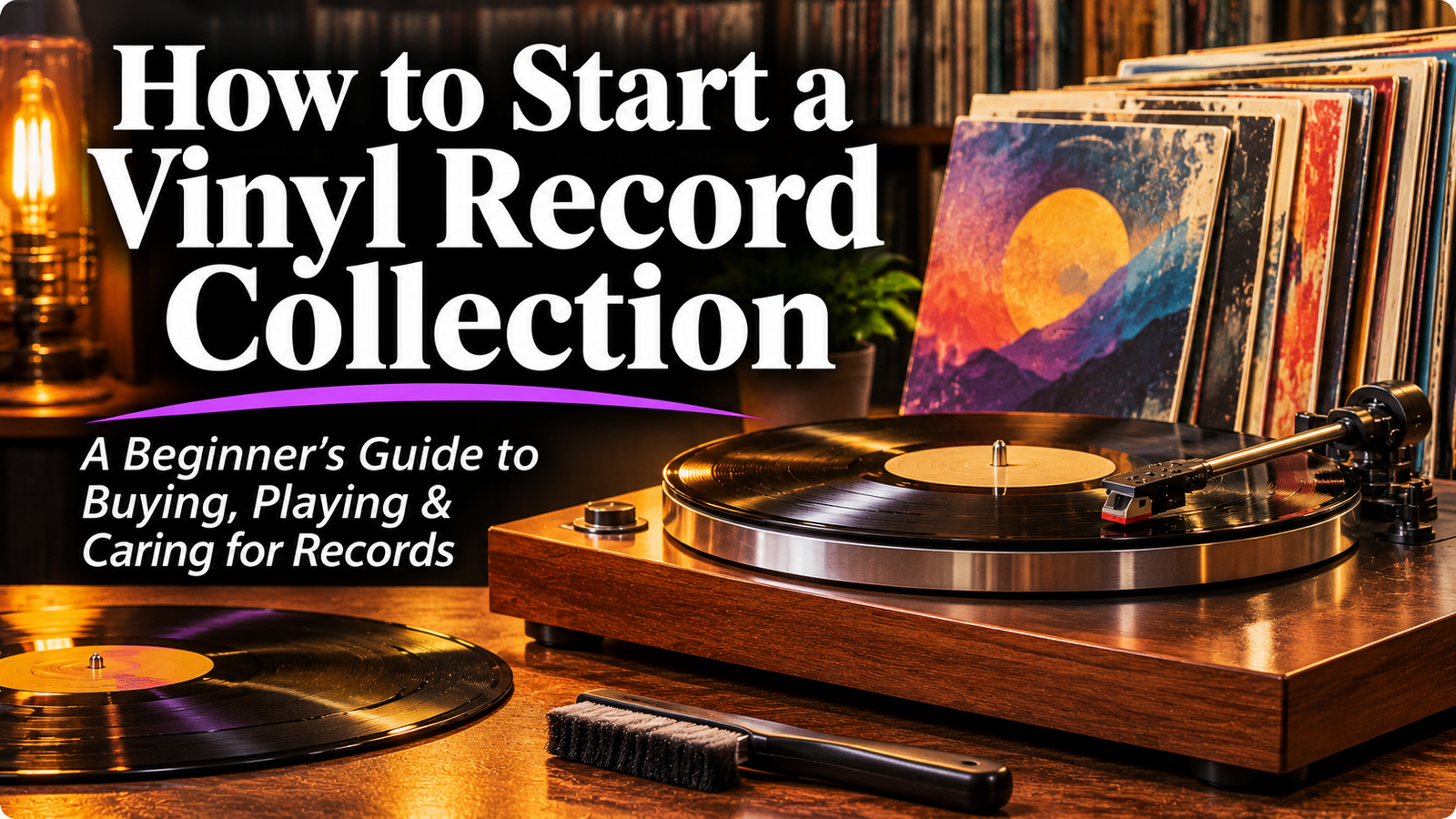
Starting a vinyl record collection is about more than buying albums. It’s an opportunity to experience music in a different way, discover recordings you may never have heard, and build a personal library of music that reflects your tastes.
Whether you’ve inherited a few records, discovered vinyl at a thrift store, or simply want to enjoy your favorite albums on a turntable, getting started doesn’t have to be complicated or expensive.
This beginner’s guide explains how to choose the right equipment, purchase your first records, recognize good condition, avoid common mistakes, and care for your collection as it grows.
1. Decide What Kind of Collection You Want
Before buying records, think about what you want your collection to represent. There is no single correct approach to collecting vinyl.
Some collectors focus on:
- Favorite artists and albums
- Classic rock, jazz, blues, country, or other musical genres
- Original pressings and vintage recordings
- Modern releases and newly manufactured vinyl
- Rare records and limited editions
- Soundtracks, live recordings, and special releases
For beginners, the simplest approach is to collect music you genuinely enjoy. A modest collection of albums you regularly play can be more rewarding than shelves filled with records purchased only because someone suggested they might become valuable.
2. Choose Your First Turntable
A turntable is the foundation of your vinyl listening system. You don’t need the most expensive model available, but choosing reliable equipment can improve sound quality and help protect your records.
What to Look for in a Beginner Turntable
- Adjustable tracking force: Allows the stylus pressure to be set according to the cartridge manufacturer’s specifications.
- A replaceable stylus: Makes routine maintenance easier.
- Stable platter speed: Helps music play at the correct pitch.
- A suitable cartridge: Converts groove movement into an electrical signal.
- Proper tonearm design: Helps the stylus track the groove accurately.
- 33⅓ and 45 RPM support: Accommodates most common LPs and singles.
Some beginner turntables include a built-in phono preamplifier, making them easier to connect to powered speakers or modern audio equipment.
Be cautious with inexpensive all-in-one record players. Some offer limited adjustment, basic cartridges, and speakers that may not provide the listening experience you’re expecting. A properly designed turntable is generally a better long-term investment.
Beginner Tip: You don’t need to spend thousands of dollars on equipment. Focus on a dependable turntable with a properly matched cartridge, correct tracking force, and the connections your audio system requires.
3. Understand the Equipment You’ll Need
A turntable is only one part of a record playback system. Depending on the model, you may need additional equipment to hear your records.
Basic Vinyl Playback Components
- Turntable: Spins the record and supports the cartridge and stylus.
- Phono preamplifier: Amplifies and equalizes the cartridge signal. It may be built into the turntable, receiver, or amplifier.
- Amplifier or receiver: Provides power for passive speakers.
- Speakers: Reproduce the music. Powered speakers include their own amplification.
- Connecting cables: Carry the audio signal between components.
A beginner-friendly setup might consist of a turntable with a built-in phono preamp connected directly to powered speakers. Another option is a turntable connected to a receiver with a dedicated phono input and a pair of passive speakers.
Always check whether your equipment already includes a phono preamp before purchasing another one.
4. Set a Realistic Vinyl Collecting Budget
Vinyl collecting can be affordable, but costs add up quickly when you begin purchasing equipment, new releases, vintage albums, and storage supplies.
Consider dividing your initial budget between playback equipment and records. Leave room for essential accessories such as a record brush, protective sleeves, and a suitable storage area.
You can also establish a monthly record-buying allowance. This helps prevent impulse purchases and encourages you to choose albums you’ll enjoy rather than buying everything that looks interesting.
Remember that a bargain record is only a bargain if it’s something you want and its condition justifies the price.
5. Should You Buy New or Used Vinyl Records?
Both new and used records can be excellent additions to a collection. Each offers different advantages.
Buying New Vinyl
New records are often easier to find for current artists and popular reissues. They may include updated packaging, bonus material, or colored vinyl editions.
However, a new record isn’t automatically flawless. Manufacturing defects, warping, surface noise, and packaging damage can occur, so inspect purchases and understand the retailer’s return policy.
Buying Used Vinyl
Used records can offer excellent value and access to recordings that may not be available as new pressings.
They also require more careful inspection. Scratches, groove wear, dirt, and improper storage can affect playback.
For a beginner, purchasing a few carefully inspected used albums can be a great way to explore different artists without committing to expensive collector editions.
6. Learn How Vinyl Record Grading Works
Understanding condition is one of the most important skills you can develop as a collector.
Record sellers commonly use grading terms to describe the condition of the vinyl and its sleeve. Common grades include:
- Mint (M): A perfect, unplayed record. This grade should be used very sparingly.
- Near Mint (NM): A record showing virtually no signs of wear.
- Very Good Plus (VG+): Light signs of use that generally have limited impact on playback.
- Very Good (VG): Noticeable wear and potentially audible surface noise.
- Good (G) and Good Plus (G+): Significant wear; playback may include substantial noise.
- Poor (P) and Fair (F): Serious defects that can make playback difficult or undesirable.
Grading is partly subjective, and sellers may interpret standards differently. Whenever possible, examine the record yourself or request detailed photographs and a playback assessment.
For a complete explanation, visit our Vinyl Record Grading Guide.
7. Where to Buy Your First Vinyl Records
Part of the enjoyment of vinyl collecting is discovering records in unexpected places.
Independent Record Stores
Local record shops can be excellent resources for beginners. Many offer carefully organized used inventory, new releases, and knowledgeable staff who can help explain different pressings and conditions.
Thrift Stores and Estate Sales
Thrift stores, garage sales, and estate sales can occasionally produce inexpensive discoveries. However, condition varies widely, and many records have been stored improperly.
Record Shows and Flea Markets
Record shows bring multiple sellers together and offer opportunities to compare prices and inspect records in person.
Online Marketplaces
Online platforms provide access to a much wider selection of records. When purchasing online, review seller ratings, grading descriptions, shipping methods, and return policies.
For more collecting ideas, explore our Rare and Unusual Vinyl Records guide.
8. Inspect Used Records Before Buying
Before purchasing a used record, remove it carefully from its sleeve and inspect both sides under good lighting.
Look for:
- Deep scratches or gouges
- Warping or an uneven record surface
- Heavy scuffs and signs of groove wear
- Cracks, chips, or damaged edges
- Dirt, residue, or visible contamination
- Writing or damage on the center label
- Seam splits, water damage, or missing inserts
Not every visible mark causes audible problems, and some defects are difficult to detect visually. If the seller permits it, listening to the record is the best way to assess playback quality.
For valuable records, also compare the label and runout markings with documented editions. Our Understanding Vinyl Record Labels guide explains how to recognize important label differences.
9. Learn the Difference Between Pressings
A popular album may have been manufactured many times over several decades. Original pressings, later reissues, remastered editions, and international releases can differ in sound, packaging, and collector value.
You don’t need to become a pressing expert before buying your first records. However, learning a few basics can help you avoid paying a premium for an edition that isn’t what you expected.
Catalog numbers, record labels, sleeve details, and runout markings can help identify a specific pressing.
Learn more in our Vinyl Matrix Numbers Guide and Mono vs. Stereo Vinyl Records Guide.
10. Clean Your Records Properly
Dust and debris can produce unwanted surface noise and interfere with playback. Establishing a simple cleaning routine can help maintain your collection.
Basic cleaning supplies include:
- A carbon-fiber record brush for loose surface dust
- A record-safe cleaning solution for more thorough cleaning
- Appropriate cleaning pads or microfiber materials designed for records
- Clean, antistatic inner sleeves
Avoid household cleaning products, abrasive materials, and untested chemical mixtures. Keep cleaning liquids away from labels when possible, and allow records to dry fully before playback or storage.
For detailed instructions, read How to Clean Vinyl Records Safely.
11. Store Your Vinyl Records Correctly
Proper storage is essential for protecting your investment and keeping records playable for years.
Follow these basic storage practices:
- Store records vertically rather than stacking them flat.
- Use sturdy shelving that can support the weight of the collection.
- Keep records away from direct sunlight and heat sources.
- Avoid damp basements and locations with excessive humidity.
- Use clean inner sleeves to reduce dust and abrasion.
- Protect album covers with appropriately sized outer sleeves.
- Do not pack records so tightly that removing them becomes difficult.
Even a small collection deserves proper storage. Records can warp or sleeves can deteriorate when exposed to unsuitable conditions.
See our complete How to Store Vinyl Records guide.
12. Handle Records Carefully
Good handling habits are easy to develop and can prevent unnecessary wear.
- Hold records by their edges and center label.
- Avoid touching the playing grooves.
- Place records on a clean turntable platter.
- Keep the stylus clean and replace it when necessary.
- Return records to their sleeves after listening.
- Never leave records exposed to sunlight or excessive heat.
Before playing a record, confirm that the turntable is operating at the correct speed and that the cartridge is properly adjusted.
13. Organize Your Growing Collection
Once your collection begins to grow, keeping track of your records becomes increasingly useful.
You can organize albums alphabetically by artist, by musical genre, or according to your personal listening preferences.
A simple spreadsheet or collection database can help record important information such as:
- Artist and album title
- Catalog number and pressing details
- Record and sleeve condition
- Purchase date and price
- Estimated market value
- Notes about special editions or inserts
Keeping these details organized also makes it easier to avoid purchasing duplicate records accidentally.
14. Learn How to Research Record Values
Even if you collect primarily for enjoyment, understanding market values can help you make informed purchases.
A record’s value depends on several factors, including the artist, specific pressing, rarity, condition, and collector demand.
Don’t assume an album is valuable simply because it is old or has an unusual cover. Many vintage records were manufactured in enormous quantities.
Compare the exact pressing and condition with relevant sales information whenever possible. Asking prices alone do not establish what buyers are actually willing to pay.
Our How Much Are My Old Vinyl Records Worth? guide explains the factors that influence record values.
15. Common Beginner Vinyl Collecting Mistakes
Most new collectors make a few mistakes along the way. Recognizing them early can save money and prevent frustration.
- Buying too many records too quickly: Focus on quality and enjoyment rather than quantity.
- Ignoring record condition: A low price does not compensate for severe groove damage.
- Choosing equipment based only on appearance: Proper tracking and playback performance matter.
- Assuming old records are valuable: Age alone does not establish rarity or demand.
- Storing records incorrectly: Heat, moisture, and improper stacking can cause damage.
- Neglecting stylus maintenance: A worn or damaged stylus can affect playback and record condition.
- Paying original-pressing prices for later reissues: Verify the exact edition before making expensive purchases.
Your First Vinyl Collection Checklist
Use this simple checklist to get started with confidence.
- Choose a reliable beginner turntable.
- Confirm you have compatible amplification and speakers.
- Set an affordable record-buying budget.
- Start with albums you genuinely enjoy.
- Learn basic vinyl record grading.
- Inspect used records before purchasing.
- Buy a record brush and suitable cleaning supplies.
- Use protective inner and outer sleeves.
- Store records vertically in a suitable environment.
- Keep a record of your purchases and pressing details.
- Research prices before buying expensive editions.
- Enjoy listening to your growing collection.
Frequently Asked Questions
How much money do I need to start collecting vinyl?
The amount depends on the equipment you choose and the records you want. You can start with a modest collection and expand gradually. Prioritize a dependable playback system before spending heavily on records.
Should beginners buy new or used records?
Both are good options. New records offer convenient access to current releases, while used records can provide excellent value. For used purchases, pay particular attention to condition.
Are expensive turntables necessary?
No. A properly designed entry-level turntable with suitable cartridge adjustment and stable playback can provide an enjoyable listening experience.
How many records should I buy when starting?
There is no required number. Starting with five to ten albums you enjoy can give you plenty to listen to while you learn how to handle and care for vinyl.
Do vinyl records increase in value over time?
Some do, but many do not. Record values depend on demand, scarcity, condition, and the specific edition. Collecting primarily as an investment carries uncertainty.
Can I play old records on a modern turntable?
Most standard vinyl LPs and singles can be played on compatible modern turntables. However, older 78 RPM records may require a turntable capable of that speed and an appropriate stylus and cartridge setup.
What is the best way to protect a vinyl collection?
Handle records carefully, clean them with appropriate materials, use protective sleeves, maintain your stylus, and store albums vertically away from excessive heat and moisture.
Final Thoughts
Building a vinyl record collection should be enjoyable, not overwhelming. Start with a reliable playback system, choose music you love, and learn how to recognize records in good condition.
As your knowledge grows, you may become interested in original pressings, unusual label variations, rare albums, and the history behind individual recordings. Those discoveries are part of what makes vinyl collecting such a rewarding hobby.
Continue exploring our Collector Guides for more information about identifying, grading, cleaning, and researching vinyl records.
Curious What Your Vinyl Records Are Worth?
As your collection grows, understanding the market value of your records can help you make smarter buying decisions.
At KlassicVinyl.com, you can quickly compare Discogs record values by condition alongside comparable eBay listings. New registered members receive 2 free record searches.